Thursday, April 7, 2011

How to Build a Disease-Fighting Body

We are constantly in motion from this meeting to the next, from this lesson to that game, grabbing a quick bite in between and then finally falling into bed at night, to possibly toss and turn over all that we have to do tomorrow.  It makes my head spin just thinking about it.  Yet, we wonder why we feel so tired and run-down.  We often hear the saying "life is short", well I would say, "life is long, let's really live it and love it, not just get through it!"  In order to really live it and love it, we need to fuel ourselves to fight disease so we don't have to waste so much down-time feeling bad or alway "getting over" something.  Here are some ways to build your body into a disease-fighting machine.

Eat your Antioxidants
Eating plenty of fruits and vegetables can help you get a healthy dose of antioxidants.  These substances in foods can help protect your cells from free radicals, molecules that can damage cells.  To get a wide range of antioxidants, choose fruits and vegetables of different colors, such as oranges, green peppers, broccoli, kiwi, strawberries, carrots, watermelon, papaya, leafy greens, and cantaloupe.

Take Your Vitamins
If you have a feeling your diet is lacking, consider taking a multivitamin.  A daily multivitamin will help ensure that your body is getting all of the building blocks for a healthy immune system.  Some nutrients that may be especially important for immune system health include selenium, vitamins A, C, D, and E, zinc, and magnesium.

Avoid Empty Calories
Processed foods such as fast foods, snack foods, candy, and sodas don't provide much in the way of vitamins, fiber, or other nutrients.  And they often contain other additives and chemicals that may not be good for your body.  When you choose these foods over more nutrient-rich foods such as vegetables, fruits, and whole grains, you risk depleting your body of essential nutrients.

Consider Herbs and Supplements
Many people take herbs or supplements to improve their overall health.  Some supplements have been shown to affect the immune system.  But more well-designed studies are needed to learn their beneficial effects on humans.  These include garlic, ginseng, milk thistle, astragalus, and probiotics such as lactobacillus and bifidobacterium.  Talk with your doctor if you have questions about which supplements may be good for you.

Keep Your Body Moving
One simple way to strengthen your immune system is by exercising.  Getting regular exercise can also reduce stress and lower your risk of osteoporosis, heart disease, and certain types of cancer.  You get the most benefit when you exercise at a moderate level a few times a week.  Any type of movement is helpful, including bycycling, walking, yoga, swimming, or playing golf.

Get a Good Night's Sleep
Without enough sleep, your immune system may not have the resources it needs to fight off illness.  Most adults need about seven to nine hours of sleep each night.  You can help yourself to a more restful sleep by keeping a regular schedule, getting exercise, avoiding caffeine and alcohol close to bedtime, relaxing before bedtime, and keeping your bedroom at a comfortable temperature.

Limit Alcohol
Drinking alcohol is part of our culture.  Many people drink at meals and at parties as a way to socialize and celebrate.  But drinking too much alcohol can weaken your immune system and cause you to get sick more often.  To minimize risk, men should have no more than two drinks per day.  Women should not have more than one drink per day.

Kick the Nicotine Habit
Here's another reason to give up smoking -- it weakens your immune system.  Even if you are just an occasional smoker, you are still at risk.  According to the U.S. surgeon general, even low levels of exposure to tobacco can cause health problems, including heart attacks, stroke, and asthma.  If you need help quitting, talk with your doctor.

Wash Your Hands
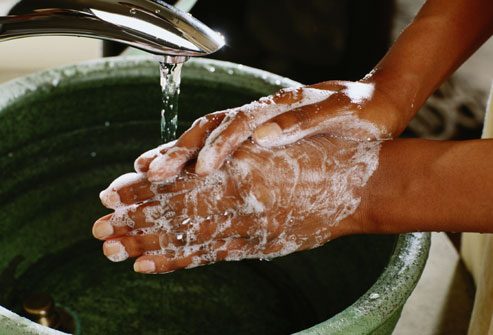
One of the easiest ways to help your immune system fight illness is to wash your hands regularly.  It is also one of the best ways to keep yourself and others healthy.  Be sure to use soap and clean, running water, and wash for at least 20 seconds.  If you don't have access to soap and water, use an alcohol-based hand sanitizer that has at least 60% alcohol.

Reduce Your Stress
Some stress can be a good thing.  It is your body's way of preparing for a challenge, such as giving a presentation.  But a steady stream of stress can be bad for your health.  Studies show it can even weaken your immune system.  Reduce your stress by avoiding whatever stressors you can.  Take the time to relax and do things you enjoy.

Enjoy Regular Sex
It turns out that sex does not just make you feel good -- it is good for you, too.  Studies have shown that a good sex life can be a boost to health.  One study looked at the connection between sexual activity and health in people middle-aged and older.  The research found that those who had frequent sex were in better overall health than those who had sex less often.

Get a Pet
There is a reason dogs are called "man's best friend."  Dogs and other pets can offer us companionship, exercise, and even good health.  One study showed that having a dog can help improve immune system development and may reduce the risk of allergies in children.

Build a Strong Social Network
We all know friends are important, but strong social ties can also have a big effect on your health.  A recent study found that people with strong relationships were 50% more likely to survive than those with poor social ties.  To broaden your social network, try volunteering, taking a class, or joining a group that interests you.  And be sure to nurture the bonds you already have.

Keep a Positive Attitude
Positive thoughts can give your immune system a healthy boost.  One study of law students found that when they were feeling more optimistic, their immune systems were stronger.  To increase your optimism, take time to savor the things you enjoy, look for the silver lining in dfficult situations, and try not to dwell on negative thoughts.

Have a Laugh
A good belly laugh might be good for you.  While there is some evidence that laughter may help boost our immune systems, overall research results have been mixed.  A group of researchers who looked at several studies about laughter and immune function found that people who laughed out loud at funny videos had higher immune function after watching the video.  But more studies are needed to prove whether laughter actually helps prevent or minimize illness.

Adapted from "Tips to Boost Your Immune System" from WebMD

WHAT'S FOR DINNER
Tonight we are going to enjoy a fresh, fast, and immune-boosting dinner of very simply marinated and grilled chicken breasts (works great as a marinade for pork chops, pork tenderloin, shrimp and salmon), mashed sweet potatoes and a quick saute of yellow squash and zucchini squash.  If you add a little orange zest to the veggie saute it will bring the whole meal together and add amazing flavor.  I can't wait to enjoy a delicious and healthy dinner, some physcial activity in the yard with the ones I love, some good laughter and a great night's sleep.  I am certain that I will have the immune system of a super hero tomorrow!

Simple Herb Marinade
Servings:  4

Ingredients
1/4 cup orange juice
2 T Extra Virgin Olive Oil
1/2 cup Fresh Herbs, chopped (whatever you like and is available)
1 T garlice, chopped
Coarse sea salt and freshly ground pepper, to taste
4 Chicken breasts, or pork chops, or 1 medium pork tenderloin, or 1 lb raw shrimp

Directions
Combine everything except meat in a resealable bag and shake to mix.  Add meat and marinate 30 minutes to overnight (only marinate shrimp for about 20 minutes or so because the acid in the orange juice will cook it - think ceviche).  I prefer to grill but sauteeing or baking would also work fine.

Here's to fresh, fast, and fantastic food!

Monday, April 4, 2011

Fat-Fighting Foods and the Truth about Fat


FAT - CAN'T LIVE WITH IT, CAN'T LIVE WITHOUT IT!

Fat is critical to our body functioning properly, however too much fat is unhealthy and can be life threatening.  The good news is that by incorporating some of these FAT-FIGHTING foods into your diet and by being physically active everyday, you will be on your way to winning the war against fat.  Here is "The Truth about Fat" by Kathleen Doheny, WebMD Feature writer.

For most of us, body fat has a bad reputation. From the dimply stuff that plagues women's thighs to the beer bellies that can pop out in middle-aged men, fat is typically something we agonize over, scorn, and try to exercise away.

But for scientists, fat is intriguing -- and becoming more so every day. "Fat is one of the most fascinating organs out there," says Aaron Cypess, MD, PhD, an instructor of medicine at Harvard Medical School and a research associate at the Joslin Diabetes Center in Boston. "We are only now beginning to understand fat."

"Fat has more functions in the body than we thought," agrees Rachel Whitmer, PhD, research scientist at the Kaiser Permanente Division of Research in Oakland, Calif., who has studied the links between fat and brain health.

To get the skinny on fat, WebMD asked four experts on fat -- who, not surprisingly, prefer not to be called fat experts -- to fill us in.
Fat is known to have two main purposes, says Susan Fried, PhD, director of the Boston Obesity and Nutrition Research Center at Boston University and a long-time researcher in the field.
  • Fat stores excess calories in a safe way so you can mobilize the fat stores when you're hungry.
  • Fat releases hormones that control metabolism.
But that's the broad brushstroke picture. Read on for details about various types of fat -- brown, white, subcutaneous, visceral, and belly fat.


Brown Fat

Brown fat has gotten a lot of buzz recently, with the discovery that it's not the mostly worthless fat scientists had thought.

In recent studies, scientists have found that lean people tend to have more brown fat than overweight or obese people -- and that when stimulated it can burn calories. Scientists are eyeing it as a potential obesity treatment if they can figure out a way to increase a person's brown fat or stimulate existing brown fat.
It's known that children have more brown fat than adults, and it's what helps them keep warm. Brown fat stores decline in adults but still help with warmth. "We've shown brown fat is more active in people in Boston in colder months," Cypess says, leading to the idea of sleeping in chillier rooms to burn a few more calories.

Brown fat is now thought to be more like muscle than like white fat. When activated, brown fat burns white fat.

Although leaner adults have more brown fat than heavier people, even their brown fat cells are greatly outnumbered by white fat cells. "A 150-pound person might have 20 or 30 pounds of fat," Cypess says. "They are only going to have 2 or 3 ounces of brown fat."
But that 2 ounces, he says, if maximally stimulated, could burn off 300 to 500 calories a day -- enough to lose up to a pound in a week.

"You might give people a drug that increases brown fat," he says. "We're working on one."

But even if the drug to stimulate brown fat pans out, Cypess warns, it won't be a cure-all for weight issues. It may, however, help a person achieve more weight loss combined with a sound diet and exercise regimen.


White Fat

White fat is much more plentiful than brown, experts agree. The job of white fat is to store energy and produce hormones that are then secreted into the bloodstream.

Small fat cells produce a "good guy" hormone called adiponectin, which makes the liver and muscles sensitive to the hormone insulin, in the process making us less susceptible to diabetes and heart disease.
When people become fat, the production of adiponectin slows down or shuts down, setting them up for disease, according to Fried and others.


Subcutaneous Fat

Subcutaneous fat is found directly under the skin. It's the fat that's measured using skin-fold calipers to estimate your total body fat.

In terms of overall health, subcutaneous fat in the thighs and buttocks, for instance, may not be as bad and may have some potential benefits, says Cypess. "It may not cause as many problems" as other types of fat, specifically the deeper, visceral fat, he says.

But subcutaneous fat cells on the belly may be another story, says Fried. There's emerging evidence that the danger of big bellies lies not only in the deep visceral fat but also the subcutaneous fat.


Visceral Fat

Visceral or "deep" fat wraps around the inner organs and spells trouble for your health. How do you know if you have it? "If you have a large waist or belly, of course you have visceral fat," Whitmer says. Visceral fat drives up your risk for diabetes, heart disease, stroke, and even dementia.
Visceral fat is thought to play a larger role in insulin resistance -- which boosts risk of diabetes -- than other fat, Whitmer tells WebMD. It's not clear why, but it could explain or partially explain why visceral fat is a health risk.

Whitmer investigated the link between visceral fat and dementia. In a study, she evaluated the records of more than 6,500 members of Kaiser Permanente of Northern California, a large health maintenance organization, for an average of 36 years, from the time they were in their 40s until they were in their 70s.
The records included details on height, weight, and belly diameter -- a reflection of the amount of visceral fat. Those with the biggest bellies had a higher risk of dementia than those with smaller bellies. The link was true even for people with excess belly fat but overall of normal weight.

She doesn't know why belly fat and dementia are linked, but speculates that substances such as leptin, a hormone released by the belly fat, may have some adverse effect on the brain. Leptin plays a role in appetite regulation but also in learning and memory.

Belly Fat

Belly fat has gotten a mostly deserved reputation as an unhealthy fat. "Understand that belly fat is both visceral and subcutaneous," says Kristen Gill Hairston, MD, MPH, an assistant professor of medicine at Wake Forest University School of Medicine, Winston-Salem, N.C. "We don't have a perfect way yet to determine which [of belly fat] is subcutaneous or visceral, except by CT scan, but that's not cost-effective."
But if you've got an oversize belly, figuring out how much is visceral and how much is subcutaneous isn't as important as recognizing a big belly is unhealthy, she says. How big is too big? Women with a waist circumference more than 35 inches and men with a waist circumference more than 40 inches are at increased disease risk.

Abdominal fat is viewed as a bigger health risk than hip or thigh fat, Whitmer and other experts say.  And that could mean having a worse effect on insulin resistance, boosting the risk of diabetes, and a worse effect on blood lipids, boosting heart and stroke risk.

Thigh Fat, Buttocks Fat

While men tend to accumulate fat in the belly, it's no secret women, especially if "pear-shaped," accumulate it in their thighs and buttocks.

Unsightliness aside, emerging evidence suggests that pear-shaped women are protected from metabolic disease compared to big-bellied people, says Fried.

"Thigh fat and butt fat might be good," she says, referring to that area's stores of subcutaneous fat. But the benefit of women being pear shaped may stop at menopause, when women tend to deposit more fat in the abdomen.

Weight Loss and Fat Loss

So when you lose weight, what kind or kinds of fat do you shed? "You're losing white fat," Fried tells WebMD. "People tend to lose evenly all over."

The results change a bit, however, if you add workouts to your calorie reduction, she says. "If you exercise plus diet you will tend to lose slightly more visceral fat from your belly."

"We're at an exciting point in science," says Whitmer, echoing the input from other scientists in the field.
Whitmer and others expect more discoveries about fat of all types to be made in the near future.


FAT-FIGHTING FOODS

While there is a different effect on your health depending on where your fat is carried, the bottom line is that if you have too much of it, you just want to get rid of it.  Even if you are lucky (or working hard) enough to not have too much now, as you get older and your metabolism begins to slow and it will be critical that you have already incorporated these fat-fighting foods into your diet.  Each one of these foods has already been mentioned in other blog posts because they are good for you in some other way, so this will just reiterate how important they are to a healthy lifestyle.

Greek Yogurt
What makes Greek yogurt a delicious tool for weight loss is its protein content.  It has twice as much as other yogurts.  "Protein takes longer to leave the stomach," says sports nutritionist Leslie Bonci, MPH, RD.  "That keeps you satisfied longer."  As a bonus, the body burns more calories digesting protein than carbs.  Non-fat, low-fat, and low-sugar types keep a slim profile.

Quinoa
Quinoa (pronounced keen-wa) is a nutritional all-star that belongs in your weight loss plan.  This whole grain has 8 grams of hunger-busting protein and 5 grams of fiber in one cup, plus it's as easy to cook as rice.  It's also packed with nutrients such as iron, zinc, selenium, and vitamin E.  For a quick and interesting dinner, mix in some vegetables, nuts or lean protein.

Cinnamon
Studies suggest cinnamon may have a stabilizing effect on blood sugar levels.  This could curtail appetite, particularly in people with type 2 diabetes.  Nearly everyone can benefit from cinnamon in its traditional role.  Stir some into your coffee, tea, or yogurt to add sweetness without adding calories.  Try sprinkling cinnamon over a sweet potato or in mashed sweet potatoes for a delicious side dish.

Hot Peppers
Hot peppers contain a flavorless compound called capsaicin.  It's more plentiful in spicy habaneros, but also occurs in jalapenos.  This compound appears to curb appetite and speed up the metabolism slightly, but only for a short time.  It is doubtful that this has a significant impact on weight loss, but people tend to eat less when their food is spicy.

Green Tea
Several studies suggest green tea may promote weight loss by stimulating the body to burn abdominal fat.  Green tea contains catechins, a type of phytochemical that may briefly affect the metabolism.  To get the most benefit, you may need to drink green tea several times a day.

Grapefruit
While grapefruit does not have any magical fat-burning properties, it can help you feel full with fewer calories.  There are plentiful amounts of soluble fiber in grapefruit, which takes longer to digest.  Having half a grapefruit before a meal may help fill you up, so you eat fewer calories during the meal.

Watermelon
Foods that are high in water content take up more room in the gut.  This signals the body that you have had enough to eat and leaves less room for other foods.  Many raw fruits and vegetables are chock-full of water and nutrients, but low in calories.  Watermelon is a great example.  It's a rich source of the antioxidant lycopene and adds some vitamin A and C to your day, too.

Pears and Apples
Pears and apples are also high in water content.  Eat them with the peels for extra fiber, which will keep you full longer.  It is preferrable to eat the whole fruit rather than fruit juice.  Not only do you get more fiber, you have to chew the fruits.  This takes longer and requires some exertion.  You actually burn a few calories chewing, as opposed to gulping down a smoothie.

Grapes vs. Raisins
The value of water content becomes clear when you look at two cups of grapes vs. 1/4 cup of raisins.  Either choice has a little more than 100 calories, but the larger portion of grapes is likely to feel more satisfying.  Still, dried fruit has an interesting texture.  When used sparingly, a few raisins or dried cranberries can make a salad more appealing.

Berries
Like other fruit, berries are high in water and fiber, which can keep you full longer.  But they have another benefit - they are very sweet.  This means berries can satisfy your sweet tooth for a fraction of the calories you would take in gobbling cookies or brownies.  Blueberries stand out because they are easy to find and loaded with antioxidants.


Raw Vegetables
Raw vegetables make an outstanding snack.  They satisfy the desire to crunch, they are full of water to help you feel full, and they are low in calories.  Half a cup of diced celery has just eight calories.  Add a little peanut butter to celery or dunk celery in salsa.  When you are in the mood for chips and dip, try replacing the chips with raw veggies.

Sweet Potatoes
Think of the typical toppings on your baked potato -- butter, sour cream, maybe cheese and bacon bits.  If you substitute a sweet potato, you might not need any of that.  Baked sweet potatoes are so full of flavor, they require very little embellishment.  This can save you loads of calories.  As a bonus, sweet potatoes are packed with potassium, beta carotene, vitamin C, and fiber.

Eggs
Studies suggest eating protein in the morning will keep your hunger at bay longer than eating a bagel or other carbs.  One egg has only 75 calories but packs 7 grams of high-quality protein, along with other vital nutrients.  Your body will burn more calories digesting eggs than a carb-heavy breakfast.  If you have high cholesterol, check with your doctor about how many eggs you can eat per week.

Coffee
It sounds too good to be true -- one of your favorite beverages may actually help rev the metabolism and help you lose weight.  Coffee does stimulates the metabolism, a little, but be careful because the effect is small and is easily cancelled out by the extra calories in a mocha cappuccino.

Oatmeal
Oatmeal has three things going for it:  fiber-rich whole grain oats, lots of water, and it is hot.  This is a very filling combination.  Hot food takes longer to eat, and all that liquid and fiber will help you feel full longer.  Don't buy the one that is already sweetened.  Buy the old-fashioned oats (2 to 3 minutes in the microwave) and choose how to flavor it.  Stirring in cinnamon, nutmeg or fresh or dried berries will give you a sweet taste with less sugar.

Crispbreads
Whole-grain rye crackers, sometimes called crispbreads, offer a low-fat, fiber-packed alternative to traditional crackers.  Research suggests people who replace refined grains with whole grains tend to have less belly fat.  Whole grains also provide a richer assortment of plant nutrients.  This does not just apply to crackers.  You can get the same benefits by switching to whole-grain breads, cereals, and pastries.

Tabouli
A standout whole grain is bulgur wheat, the type found in tabouli.  It is high in fiber and protein, but low in fat and calories.  That helps you fill up with a minimum of calories.  The rich taste makes it satisfying.  It is flavorful, so you do not need to add a lot of oil.  To turn this dish into a meal, add beans and stir in extra tomato, cucumber, and parsley.

Soup
Soup -- broth-based, not creamy -- is a helpful in several ways.  It is full of water, which fills you up with the fewest possible calories.  It is hot, which prevents you from guzzling it down too quickly.  When eaten before a meal, soup can take up space that might have gone to higher calorie foods.  You can also make a satisfying, low-calorie meal out of soup alone by adding chicken, fish, cut-up vegetables, or beans.

Salad
Another way to fill up before a meal is by eating salad.  Lettuce has plenty of water content to take up space in the stomach.  That leaves less room for fattier foods that might come later in the meal.  Make your salad interesting by adding a variety of fruits and vegetables or a little grated cheese.  But be careful about dressing, which can add a lot of calories.  Use salsa, hummus, or black bean dip as dressing.

Vinegar
If you dress your salad with extra virgin olive oil and vinegar, you may get another fat-fighting benefit.  More research is needed, but some studies suggest vinegar may help the body break down fat.  Whether or not this effect pans out, vinegar is a good choice.  It is full of flavor that can make salad more satisfying -- and it has no calories.

Nuts
Nuts are an excellent way to curb hunger between meals.  They are high in protein, fiber, and heart-healthy fats.  Studies suggest nuts can promote weight loss and improve cholesterol levels when eaten in moderation.  The key is to be careful with quantity.  "Choose something in a shell, so you have to work harder and slow down.

Air-Popped Popcorn
Three cups of plain, air-popped popcorn may seem like a whole lot, but the calorie conten is low.  All that air adds volume without adding fat and sugar.  When people are looking to snack, they do not stop at 10 potato chips.  They want to have their fill, and a big bowl of popcorn delivers.  It is satisfying, plus is takes time to eat.

Skim Milk
Skim milk provides plenty of protein and calcium with none of the fat found in whole milk.  And even though it is fat-free, skim milk can help you feel full.  It takes longer to leave the stomach than drinks with less protein.  There is also evidence that skim milk and other nonfat dairy foods may promote weight loss, particularly around the mid-section.  More research is needed to confirm this effect.

Lean Meat
As we have seen, protein can keep you full longer and burn more calories during digestion.  But you want to choose your protein carefully.  Dark meat tends to be high in fat, which could cancel out some of the benefits.  Skinless chicken breast is a great choice.  And some cuts of beef can make the grade.  Flank steak, eye of round, and top sirloin are extra-lean with less than 4 grams of saturated fat per serving.  Just stick with 3- to 4-ounce portions.

Fish
One of the best sources of protein is fish.  Studies show it is more satisfying than chicken or beef, probably because of the type of protein it contains.  Most fish is low in fat, and the exceptions usually have a healthy form of fat -- omega-3 fatty acids.  Omega-3's, which are found in salmon, herring, and other fatty fish, appear to help protect against heart disease and other chronic conditions.

Beans
Beans deliver a nutritional triple punch.  They are a vegatable, a protein, and a great source of fiber.  This means they will help you stay full for the price of very few calories.  They are also easy to prepare when the munchies strike.  Open a can of garbanzo beans and toss them into soup or salad or mash them up to use as a dip.  One cup packs 12 grams of fiber, just 4 grams of fat, and 15 grams of protein.

Adapted from "Fat-Fight Foods" by Leslie Bonci, MPH, RD


Here's to fresh, fast, and fantastic food!

Friday, April 1, 2011

Garden of Eating

The Kitchen Garden
One of my goals is to plant a kitchen garden, not only because food from the garden just tastes better, but also because I want my children to experience the process of planting, nurturing and getting to eat the fruits of their labor.  In my mind, there is no better way to give them a true appreciation for the food they consume and the environment where they live.  If you struggle to get your kids to eat fruits and veggies, I would encourage you to get them down in the dirt too.  You will be surprised at the foods they are willing to try if they helped grow it.  Eating strawberries and tomatoes straight off the vine is of course delicious, but also very exciting, not like your Mom or Dad telling you to eat your fruits and veggies.  Get the kids to help you pick what you will grow too, they are more likely to eat it if they are part of the entire process.  In this economy, growing your own food is good for the wallet - not to mention great for your body, soul and taste buds.  This artcle from "USA Weekend" by Natalie Ermann Russel is a great way to get started.

"For me, a kitchen garden is indespensable - for cooking easily and economically," says Alice Waters, founder of the Edible Schoolyard in Berkeley, California, and chef-owner of Chez Panisse -- a woman widely regarded as the "founding mother" of the local food movement.  "You can plant things that are simple to grow and at practically no cost."  In fact, the paradox of the home garden is that growing organically often costs the same, if not less, than growing conventional (unlike produce in the grocery store).

On her own 15- by 15-foot organic kitchen garden, Waters tends to 40 varieties of plants.  If it's delicious, she probably grows it.  But seasoned chefs in California are not the only ones who can enjoy such luxury.  An organic garden is attainable for anyone who loves fresh fruits and vegetables.  Here's how:

Choose Plants Wisely
When figuring out what to grow, think about what you eat.  If cucumbers sit in the crisper for weeks, don't grow 'em.  Also factor in level of difficulty.  "Begin with the things that grow easily, like lettuce," Waters says.

You can best stretch your dollar by choosing produce that would otherwise be expensive in the store.  Cabbage might cost 39 cents a pound, for example.  But heirloom tomatoes (which can cost more than $5 a pound) can really inflate your grocery bill.  Of course, you also want to choose plants based on your climate and soil.  "In warm winter areas of the South, Southwest and far West, you may be able to grow cool-season crops all winter, but it may be too hot in midsummer for many plants," says Susan Littlefield, horticultural editor for the National Gardening Association.  "In cooler areas in the North or at higher elevations, you may need to choose varieties that mature quickly, such as short-season tomatoes."  To find varieties that work in your area, contact your local cooperative extension service. (Find one at csrees.usda.gov/Extension/index.html)

To plant a garden properly, create a schedule.  "Start a calendar, marking down when you planted, say, lettuce, and on what date it will be ready for harvest (usually 35 to 45 days later)," says Mike Weeks of Fifth Season Gardening in Asheville, N.C.  "Two weeks before harvest date, put more seeds in the ground."  Repeat for the next batch and the next batch, so you can have a steady supply of produce all season.

A Place For Every Plant.
Determining the ideal spot is as important as what variety you choose.  To avoid unwanted shade, position tall plants like corn on the north side of the garden.  Also, put fast-growers like lettuce in and around just-planted crops that take longer, like tomatoes.  Once the tomatoes fill in, the lettuce will have been eaten.

And then there's "companion planting," or strategically placing certain crops next to each other because they rely on (and deplete) different nutrients.  "Broccoli requires a lot of calcium to grow healthy," Weeks says.  "Beets don't need much - so these two plants work well together."  A great resource for determining which plants make good companions is Carrots Love Tomatoes by Louise Riotte.

Feed Soil To Feed Plants.
To make sure your soil has all the necessary nutrients first have it tested, especially if you're starting a new garden.  This will tell you the pH of the soil as well as the levels of such important nutrients as nitrogen, phosphorous and potassium.  Some gardening and farm stores offer this type of testing, as do cooperative extensions, often for less than $20.  Then you can determine what you need:  more nitrogen, less calcium, more phosphorous and so forth.

Regardless of your test results, any garden will appreciate a good dose of compost.  Experts recommend spreading about an inch at the start of the growing season.  Compost contains organic material that helps sandy soil hold water and nutrients and helps clay soil drain and aerate.  Good compost also is host to an infinite number of beneficial soil microorganisms.  You can buy bags of it at any garden or home store.

Rein in Weeds and Pests.
In a home garden, there are plenty of natural alternatives to pesticides and herbicides.  "Beneficials" are flowers that attract good insects.  "Varieties with umbrella-shaped clusters of small flowers, such as dill, caraway, coriander, yarrow and Queen Ann's lace, and daisy-like flowers such as golden marguerite, sunflower and aster, will attract beneficial insects that will in turn help control pest insects," Littlefield says.

After planting your seeds or seedlings, you can also control pests by covering crops with a lightweight fabric (they're available at garden stores).  "It's a good way to keep cabbage worms out of broccoli and cabbage or flea beetles off seedlings," Littlefield says.  To control weeds, apply mulch over the soil after your garden has already sprouted.  The mulch blocks sunlight from reaching weed seeds and helps retain moisture for the plants you do want.


What would Alice Grow?
Alice Waters shares some of her favorites - for their ease and flavor.

Herbs.
Most varieties of herbs are practically fool-proof and can even be grown in pots.  "Herbs change the way a dish tastes," Waters says.  A favorite is mint, with which she makes a flavorful tea.

Radishes.
Waters fancies herself a "radish person," because they're beautiful and grow in no time at all.

Strawberries.
"My daughters would treat picking them like a treasure hunt," Waters says.  They're fun for children to watch grow, develop fruit... and then eat!

Beans.
Another good choice for kids, beans climb a three-legged trellis that can double as a "tee-pee" - allowing children to crawl inside and eat them raw.

Ok, hopefully your are now fully motivated to get out and play in the dirt.  I certainly am, in fact I am going to do more research today on what will grow best in this area and for an amature like me.  If you have a kitchen garden or know a great deal about this subject, I would love to hear your thoughts and advise.

Here's to fresh, fast, and fabulous food!

Thursday, March 31, 2011

Lowering Cholesterol - 14 tips to Avoiding Heart Disease

The Basics of Cholesterol

Have you been diagnosed with high cholesterol? Is lowering your cholesterol a goal? The first step is to find out: What is cholesterol?
Cholesterol is a waxy, fat-like substance made in the liver and other cells and found in certain foods, such as food from animals, like dairy products, eggs, and meat.
The body needs some cholesterol in order to function properly. Its cell walls, or membranes, need cholesterol in order to produce hormones, vitamin D, and the bile acids that help to digest fat. But the body needs only a limited amount of cholesterol to meet its needs. When too much is present health problems such as heart disease may develop.

Cholesterol and Heart Disease

When too much cholesterol is present, plaque (a thick, hard deposit) may form in the body's arteries narrowing the space for blood to flow to the heart. Over time, this buildup causes atherosclerosis (hardening of the arteries) which can lead to heart disease.
When not enough oxygen-carrying blood reaches the heart chest pain -- called angina -- can result. If the blood supply to a portion of the heart is completely cut off by total blockage of a coronary artery, the result is a heart attack. This is usually due to a sudden closure from a blood clot forming on top of a previous narrowing.

Types of Cholesterol

Cholesterol travels through the blood attached to a protein -- this cholesterol-protein package is called a lipoprotein. Lipoproteins are classified as high density, low density, or very low density, depending on how much protein there is in relation to fat.
  • Low density lipoproteins (LDL): LDL, also called "bad" cholesterol, can cause buildup of plaque on the walls of arteries. The more LDL there is in the blood, the greater the risk of heart disease.
  • High density lipoproteins (HDL): HDL, also called "good" cholesterol, helps the body get rid of bad cholesterol in the blood. The higher the level of HDL cholesterol, the better. If your levels of HDL are low, your risk of heart disease increases.
  • Very low density lipoproteins (VLDL): VLDL is similar to LDL cholesterol in that it contains mostly fat and not much protein.
  • Triglycerides: Triglycerides are another type of fat that is carried in the blood by very low density lipoproteins. Excess calories, alcohol, or sugar in the body are converted into triglycerides and stored in fat cells throughout the body.

What Factors Affect Cholesterol Levels?

A variety of factors can affect your cholesterol levels. They include:
  • Diet.  Saturated fat and cholesterol in the food you eat increase cholesterol levels. Try to reduce the amount of saturated fat and cholesterol in your diet.
  • Weight. In addition to being a risk factor for heart disease, being overweight can also increase your cholesterol. Losing weight can help lower your LDL and total cholesterol levels, as well as increase HDL cholesterol.
  • Exercise.  Regular exercise can lower LDL cholesterol and raise HDL cholesterol. You should try to be physically active for 30 minutes on most days.
  • Age and Gender. As we get older, cholesterol levels rise. Before menopause, women tend to have lower total cholesterol levels than men of the same age. After menopause, however, women's LDL levels tend to rise.
  • Diabetes. Poorly controlled diabetes increases cholesterol levels. With improvements in control, cholesterol levels can fall.
  • Heredity. Your genes partly determine how much cholesterol your body makes. High blood cholesterol can run in families.
  • Other causes. Certain medications and medical conditions can cause high cholesterol.  

Simple Steps to Lower Cholesterol

Has your doctor said you have high cholesterol (called hypercholesterolemia)?  Then you know you need to change your diet and lifestyle to lower cholesterol and your risk of heart disease.  Even if your doctor prescribed a drug to bring down your levels, you need to change your diet and become more active for cardiovascular health. These simple steps can help you to keep cholesterol levels in check:

Portion Control:  Give Yourself a Hand
Most Americans eat super-sized meals with portions being twice what is recommended for good health.  That can contribute to weight gain and high cholesterol.  Here is an easy way to practice portion control for a meal:  Use your hand.  One serving of meat or fish is about the size of what will fit into the palm of your hand.  One serving of fresh fruit is about the size of your fist.  One serving of cooked vegetables, rice or pasta should fit into your cupped hand.

Serve Up the Heart-Healthy Food
Load your plate with fruits and vegetables - FIVE TO NINE servings a day - to help lower LDL "bad" cholesterol.  Antioxidants in these foods may provide the benefit.  Or it may be that when we eat more fruits and veggies, we eat less fatty foods.  Either way, you will also help lower blood pressure and maintain a healthy weight.  Foods enriched with plant sterols, such as yogurts and other foods, can also help lower LDL cholesterol.

For Heart Health, Look to the Sea
A heart-healthy diet has fish on the menu TWICE a week.  Why?  Fish is low in saturated fat and high in healthy omega-3 fatty acids.  Omega-3 fatty acids help lower levels of triglycerides, a type of fat in the blood.  They may also help lower cholesterol, slowing the growth of plaque in arteries.  Go for fatty fish, such as salmon, tuna, trout, and sardines.  Just don't drop the filets in the deep fryer - you will negate the health benefits.  Want to learn more about Omega-3 fatty acids?  Check out this blog post.

Start Your Day with Whole Grains
A bowl of oatmeal or whole-grain cereal has benefits that last all day.  The fiber and complex carbohydrates in whole grains help you feel fuller for longer, so you will be less tempted to overeat at lunch.  They also help reduce LDL "bad" cholesterol and can be an important part of your weight loss strategy.  Other examples of whole grains include wild rice, popcorn, brown rice, barley, and whole-wheat flour.  Check out this earlier blog for more information on Whole Grains.

Go Nuts for Cardiovascular Health
Need a snack?  A handful of nuts is a tasty treat that helps in lowering cholesterol.  Nuts are high in monounsaturated fat, which lowers LDL "bad" cholesterol while leaving HDL "good" cholesterol intact.  Several studies show that people who eat about an ounce of nuts a day have lower risk of heart disease.  Nuts are high in fat and calories, so only eat a handful.  And make sure they are NOT covered in sugar or chocolate.


Unsaturated Fats Protect the Heart
We all need a little fat in our diets - about 25% to 35% of our daily calories.  But the type of fat matters.  Unsaturated fats, like those found in canola, olive oil, and safflower oils, help lower LDL "bad" cholesterol levels and may help raise HDL "good" cholesterol.  Saturated fats, like those found in butter and palm oil, and trans fats rais LDL cholesterol.  Even good fats have calories, so eat in moderation.

More Beans, Fewer Potatoes
You need carbohydrates for energy, but some do your body more good than others.  Whole grains, such as brown rice or quinoa, whole-wheat pasta, and beans have more fiber and raise blood sugar levels less.  These help lower cholesterol and keep you feeling full longer.  other carbs, like those found in white bread, white potatoes, white rice, and pastries, boost blood sugar levels more quickly, leading you to feel hungry sooner, and may increase risk for overeating.

Move It!
Even 30 minutes of physical activity five days a week (20 minutes three times a week for vigorous exercise, such as jogging) can help lower LDL cholesterol and raise HDL cholesterol -- although more exercise is even better.  It also helps you maintain an ideal weight, reducing your chance of developming clogged arteries.  You don't have to exercise for 30 minutes straight - you can break it up into 10-minute increments.

Walk It Off
If you are not used to exercising - or hate the thought of going to a gym - just go for a walk.  It is easy, healthy, and all you need is a good pair of shoes.  Aerobic or cardiovascular exercise such as walking lowers risk of stroke and heart diseas, helps you lose weight, and keeps bones strong.  If you are just starting out, try a 10-minute walk and gradually build up from there.

Work Out Without Going to the Gym
If exercise sounds like a dirty word to you, here is some good news:  You can boost your heart health by incorporating physical activity into your day.  Any kind of cardiovascular activity counts - gardening, dancing, or taking the stairs instead of the elevator.  Even housework can qualify as exercise, as long as you are doing serious cleaning that gets your heart rate up and not just light dusting.

What to Do When Eating Out
If you are eating healthy food at home to keep cholesterol in check, don't blow it when you eat out.  Restaurant food can be loaded with saturated fat, calories, and sodium.  Even healthy choices may come in super-sized portions.  Try these tips to stay on track:
  • Choose broiled, baked, steamed, and grilled foods - not fried.
  • Ask for it to be cooked without butter and with olive oil or without any added fat
  • Get sauces on the side
  • Practice portion control by asking for half your meal to be boxed up before it is brought out or split with a friend.
If you would like more help in knowing what and what not to eat when going to restaurants, please visit my website to learn more about Restaurant Survival 101.

Look for Hidden Traps
A close look at nutrition labels is essential for a low-cholesterol, heart-healthy diet.  Try these tips:
  • Check serving sizes.  The nutrition info may look good, but does the package contain two servings instead of one?
  • If it says "whole grain", read the ingredients.  Whole wheat or whole grain should be the first one.
  • A food with "O grams cholesterol" could still raise your LDL cholesterol.  Saturated fat is the other culprit to watch for.

Don't Stress Out
Chronic stress can raise blood pressure, adding to your risk of atherosclerosis, which occurs when plaque from cholesterol builds up in arteries.  And research shows that for some poeple, stress might directly increase cholesterol levels.  Reduce your stress levels with relaxation exercises, meditation, or biofeedback.  Focus on your breathing and take deep, refreshing breaths.  It is a simple stress-buster you can do anywhere.

When Losing Means Winning
Losing wight is one of the best things you can do to fight cardiovasular disease.  Being obese increases the risk of high cholesterol, high blood pressure, and type 2 diabetes.  These all affect the lining of your arteries, making them more prone to collect plaque from cholesterol.  Losing weight - especially belly fat, which is linked to hardening of the arteries - helps rais HDL "good" cholesterol and reduce LDL "bad cholesterol.

 By focusing on the things that you can control like diet and exercise, you can make great strides in your goal of lowering your cholesterol.  If you would like more help in meeting your goals, and learning more about living a healthy lifestyle, visit Green Peas and Blueberries.  I focus on helping families live a healthy lifestyle in spite of crazy schedules.

Adapted from Cholesterol Management Center at WebMD

WHAT'S FOR DINNER TONIGHT?
Here is a quick, easy and heart healthy dinner using a great lean, pork tenderloin, fresh cauliflower and a variety of whole grains.

Balsamic Marinated Pork Tenderloin
Servings:  4

1 medium pork tenderloin
3 T Balsamic vinegar
2 T Olive oil
3 T chopped fresh herbs, any variet (I used rosemary, sage and lavender)
1 t chopped garlic
Coarse sea salt and freshly ground pepper, to taste

Combine all ingredients in ziplock bag except tenderloin.  Seal bag and shake well to mix, then add tenderloin.  Remove as much air as possible when sealing bag.  Turn several times to coat tenderloin, place in fridge to marinate for 1 hour to overnight.

Preheat oven to 375 degrees.  Remove tenderloin from the bag and place on a sheet pan.  Roast in oven for about 20 minutes until meat is done.  Remove from oven and let rest loosely covered in foil for about 5 minutes.

Serve with roasted cauliflower drizzled in olive oil and salt and pepper and any variety of whole grain, such as brown rice or quinoa.  I needed a quick one, so I pulled out a package of Uncle Ben's Ready Whole Grain Medley pouch in Roasted Garlic.  It has brown rice and red and black quinoa.  It has more sodium than I would prefer, but not a bad choice in a pinch.

Monday, March 28, 2011

The Whole Truth about Whole Grains


11 Reasons to make the switch NOW

Want to statistically reduce your risk of death from all causes (in other words, your total mortality rate) by 15% just by making one dietary change? Choose whole grains whenever you can.

We all know we're supposed to eat more whole grains. We know they're "good" for us (full of fiber, phytochemicals, and vitamins and minerals). Yet most Americans eat less than one serving of whole grains a day. So what's stopping us?

Maybe it's our fear of "brown" food. But you might be surprised how easy it can be to embrace the brown if you set your mind to it. Some of you will have no problems switching to whole-grain bread but will draw the line at whole-wheat pasta. For others, it might be the other way around.

The bottom line is that switching to whole grains is one of the most important things you can do for your health. So make the switch everywhere you can.

For my family, about the only refined-grain products we eat are the occasional ravioli, pasta or bread at a restaurant, or pizza crust (when they don't offer whole wheat).  An affinity for whole grains is an aquired taste, just like when you changed to skim or lower fat milk from whole milk.  We made the switch quite a few years ago, and now I really love the graininess of these foods and my kids do not even notice the difference.  Today, more than ever, there are fantastic products available in whole grain versions to allow you to more easily integrated whole grains into your diet.

And don't think that you can keep eating white, refined-grain products and just supplement them with some extra fiber. Research suggests that the various nutritional components of whole grains work together to affect our health.

A Bite of Whole-Grain History

When the industrialization wave hit America in the later 1800s, a new way of milling and mass refining took hold in the grain business and never let go. Removing the bran and germ seemed like a good idea at the time, since it meant that grain products could sit on store shelves much longer without spoiling.
But the worldwide epidemic of B-vitamin deficiencies (pellagra and beriberi) that followed was only the beginning. Frankly, we are only just realizing the nutritional fallout from almost eliminating whole grains from our diet over the past hundred years.

11 Ways Grains Are Great

Here's a quick list of all the ways that whole grains benefit your body. After reading it, you may ask yourself, "What don't they do?"
1. They're digested slowly.

Whole grains are digested more slowly than refined grains, which has beneficial effects on blood sugar and insulin (keeping levels of both down). A recent study found that the more whole grains men and women ate, the lower their fasting insulin levels were. And this is a good thing.

2. They reduce mortality rates.

After analyzing data from more than 15,000 people aged 45-65, researchers from the University of Minnesota School of Public Health found that as whole-grain intake went up, total mortality (the rate of death from all causes) went down.

3. They help reduce the risk of type 2 diabetes.

The Nurses' Health Study found that women who ate more than 5 grams of fiber from whole-grain cereals daily had about 30% less risk of developing type 2 diabetes than those who ate less than 2.5 grams of whole-grain fiber a day.
Other research found that women who ate a diet low in cereal fiber and high on the sugar (glycemic) index doubled their risk of type 2 diabetes.

4. They help control weight.

One study found that women who ate three or more servings of whole-grain foods a day had significantly lower body mass indexes (BMIs) than those eating less than one serving a day. (This was found in men, too, but the link was more significant in women.)
Another study found that women whose diets included the most whole grains were half as likely to gain a lot of weight over a 12-year period as those who ate the least whole grains. This slimming effect was seen even in teens.

5. They may protect against metabolic syndrome.

Research has found that metabolic syndrome -- a condition that raises the risk of diabetes, heart disease, and stroke -- was found much less often in people who ate the most cereal fiber and whole grains compared with those who ate the least.

6. They reduce risk of heart disease.

At least 25 studies have found that people who regularly eat whole grains have a lower risk of heart disease.
"The evidence is quite consistent and convincing that people who eat at least one serving of whole grains a day have a lower risk of heart disease and stroke," reports Mark Pereira, PhD, a nutritional epidemiologist at Harvard Medical School.
In studying the dietary habits of male health professionals, researchers found that for every 10 gram increase in cereal fiber eaten each day, the risk of heart attack was reduced by nearly 30%. A more recent study found this beneficial effect is even stronger in women.

8. They cut cholesterol levels.

Researchers at Northwestern University Medical School in Chicago found that adding oats to an already low-fat diet helped women cut their blood cholesterol by an additional 8 or 9 mg/dL after only three weeks. (That came on top of the 12 mg/dL reduction seen with the low-fat diet alone!)
Antioxidants found in oats cut cholesterol by suppressing the molecules that make blood cells stick to artery walls. When these cells stick to artery walls and cause inflammation, plaque deposits build up and narrow the passageways where blood flows, leading to "hardening of the arteries."

9. They reduce blood pressure.

Eating foods containing barley decreases blood pressure and improves several other risk factors for heart disease, according to a recent study. (Other studies of high-fiber, whole-grain foods have also reported significant reductions in blood pressure.)
The researchers also noticed a decrease in total cholesterol (an average of 21% reduction in those eating lots of soluble fiber, such as that found in barley and oats), and "bad" cholesterol. Levels of "good cholesterol" either increased or did not change.

10. They can decrease your risk of stroke.

A recent Harvard study found that a diet with large amounts of whole-grain foods was associated with a decreased risk of stroke in women.

11. They reduce cancer risks.

More than 40 studies looking at 20 types of cancer have suggested that regularly eating whole grains reduces cancer risk.
It's thought that whole grains may accomplish this by blocking DNA damage, suppressing the growth of cancer cells, providing antioxidant protection, and preventing the formation of carcinogens. The particular components of whole grains that may be protective include fiber; antioxidants including vitamins (like vitamin E) and minerals (like selenium); and various phytochemicals.
Among the types of cancer that whole grains help protect against are gastrointestinal cancers such as stomach and colon cancers, along with cancers of the oral cavity, pharynx, esophagus, and larynx.

Your Whole Grain Line-Up

If you're ready to go brown, whole-wheat bread is a great place to start. But don't stop there.
Here are nine common whole-grain foods that you'll probably find at your supermarket:
  • Brown rice
  • Oats
  • Whole-wheat flour
  • Rye flour
  • Barley
  • Buckwheat
  • Bulgur (steamed and dried cracked wheat)
  • Millet
  • Quinoa

Adapted from "The Whole Truth of Whole Grains" by Elaine Magee, MPH, RD

And don't think that cooking them has to be difficult and time consuming.  Here are a couple of easy (and yummy ways to prepare some whole-grain favorites:

Pilaf-Method of Cooking Brown Rice
This is a single recipe (4 servings), but I would encourage you to double or triple it and freeze in meal-portion size bags or containers.  It certainly helps to get healthy weeknight meals on the table fast.  Don't be shy about trying different flavors, this is an extremely versatile side dish.  In fact, if you added some rinsed and drained beans after the rice is cooked, you could have a complete meal.

1 cup brown rice (not quick cooking)
1 T extra virgin olive oil
1 T shallots or (2 t) garlic or a mixture of finely diced onion (1/2 cup) and garlic (2 t)
2 1/4 cups flavorful no sodium added chicken or vegetable stock
Coarsely ground Sea salt and Freshly ground pepper, to taste

In a medium sauce pan, heat olive oil on medium high.  Add shallots and saute about 30 seconds to a minute.  Add brown rice and saute until rice smells a little nutty and rice is golden in color.  Add stock and salt and pepper and bring to a boil.  Reduce heat to a simmer and cook 45 minutes to 1 hour, until stock is absorbed and rice is tender.  Remove from heat and let sit covered for about 5 minutes.

Variations:
Asian:  Add a little reduced sodium soy sauce, liquid aminos (soy sauce substitute) or soy ginger sauce after sauteeing rice.  you could also saute a little minced ginger (1/2 to 1 t) with shallots or garlic and stir in some chopped green onions before serving.

Mexican:  Saute 1 1/2 cups finely chopped onion and 2 t garlice before sauteeing rice.  Add one 14 1/2 oz can of fire-roasted diced tomatoes and 1 bell pepper (any color) finely chopped with stock (reduce stock to 1 3/4 cup).  Stir in some fresh chopped cilantro before serving.

I am not usually one to spend time baking, just never been my favorite thing to do in the kitchen.  However, I do like to whip up a banana bread every once in a while to use up some over-ripe bananas - I HATE throwing good food away.  Yesterday I asked Will and Grayson if they would like to make some banana bread with me and they both JUMPED at the chance.  Their stools were up at the counter before I could even get the ingredients out of the cabinet.  I searched the internet a bit for a good whole wheat banana bread recipe.  Not only did I come across a fantastic recipe with significantly less sugar than most banana bread recipes, I also found a fantastic site called Whole Grain Gourmet.  This is a forum for people interested in integrating more whole grains into their diet.  They have some great recipes that not only use whole grains, but also try to decrease sugar consumption.

Whole Grain Banana Bread

1/3 cup unsalted butter, softened at room temperature
1/4 cup honey
1/4 cup packed natural brown sugar
1 t vanilla
2 eggs
1 1/2 cup mashed over-ripe bananas (about 3 medium bananas)
1 3/4 cup white whole wheat flour ( I used regular brown whole wheat flour and it was perfect, white is a little lighter in density - think pastry flour)
1/2 t kosher salt
1/2 t cinnamon
1 t baking soda
1/4 cup water
1/4 cup walnuts, chopped (optional)
1/2 cup dark chocolate chips, preferrably 60% cocoa (optional, could substitute dried cranberries)

Preheat oven to 325 degrees.  Lightly grease a 9x5 inch loaf pan with butter.  Combine flour, cinnamon, and salt in a bowl.  Whisk and set aside.  In another large bowl, combine butter, honey, and sugar and beat for two minutes.  Add the eggs and lightly beat until just combined.  Mix in bananas and vanilla -- do not overmix.  Gradually beat in the flour mixture in thirds.  Dilute baking soda in 1/4 cup hot (not boiling) water, then beat into batter.  Stir in, by hand, chocolate chipps and chopped nuts.  Pour batter into the pan and bake at 325 for 52 to 58 minutes (test for doneness being careful not to overbake as it may dry out the bread).  Remove the pan and place on a wire rack to cool.

If you plan to serve this to guests and want clean slices, then allow it to cool for 30 minutes.  If you want to enjoy some melt-in-your-mouth, out-of-this-world, warm banana bread, then dig in after 5 minutes.

Heres to fresh, fast, fantastic food! 


Friday, March 25, 2011

What NOT to feed kids, or anyone for that matter


I have to admit that it is difficult for me to take a negative approach and tell you what we should NOT feed our kids, as I generally like the positive approach in what we should.  However, when it comes to the battle ground of "kid food", it seems that there is an abundance of bad choices to avoid.  None the less, I have definitely included some healthier alternatives to these land mines. 
If you have followed the news on childhood obesity lately, you know that the state of affairs is pretty grim.  Childhood obesity rates have tripled over the past two decades, and most signs show that today's children will be the first to have shorter life expectancies than their parents.  Much of the blame for this has been on producers and marketers of unhealthy foods aimed at our youngest consumers.  These producers and marketers have certainly created an uphill battle for parents trying to compete with superheroes and cartoon animals, but fortunately we all have free will and do not have to feel imprisoned by this JUNK.

Since most kids have hummingbird metabolisms that adults can only envy, it is easy to often give kids a free pass and let them eat whatever they want.  But eventually, those metabolisms slow down, and the pounds settle in.  Also, because physical activity appears to be decreasing nowadays, and processed-food intake is increasing, kids are not burning calories they way their parents might have when they were kids.  Even if kids are not getting fat now, they are establishing eating habits that they will take into adulthood.  As parents, you can foster a love for healthy eating and exercise that will last your kids a lifetime -- which will hopefully be a long one!

Eating can be a classic power struggle, where a kid will try to finally locate mom or dad's last nerve, and frankly mom and dat are probably tired from a full day at work and not at their strongest...  There are numerous strategies you can use to mitigate this.  Let your kids help with the selection and preparation of the food.  If they picked ou the veggies at the farmers' market and helped cook them, they might be less inclined to feed them to the family pet.  Also, try to promote eating vegetables and healthy food as being its own reward.  By offering dessert as a reward for eating vegetables, you create a system where unhealthy food is a treat and healthy food stinks.  The more you can talk about the benefits of certain foods/nutrients to their health, the more likely they are to be interested in them.  For example, we have an ongoing conversation in our house about how "strong" spinach makes you (yes, we had to explain to Will who Popeye was), but now he loves to talk about how much he loves spinach because it makes him so strong (of course he has to show us his strong muscles during that conversation).  When introducing a new food like kale, I talk about how it also makes you strong like spinach, etc.  Growing big and strong is a big deal to my kids, so they are always more likely to dive into something when we talk about how it will help them grow.

Someday, your children will realize that caped men in tights and sponges who live under the sea might not have their best interests at heart when it comes to food, but until then, here are some of the worst foods you can try to keep them away from, and some healthy replacements.

Chicken nuggets/tenders
These popular kid-menu items are little nuggets of compessed fat, sodium, high-fructose corn syrup (HFCS), and in some form chicken.  Depending on the restaurant, chicken might not even be the first ingredient.  Oftentimes, the nuggets or tenders are made of ground pieces of chicken meat and skin, pressed into a shape, flavored with HFCS and salt, and batter-fried in hydrogenated oil (the bad trans-fatty stuff).  Then, as if that is not unhealthy enough, you dunk it in a HFCS- or mayo-based sauce.  With all the fat, salt, and sugar, it is easy to understand why they are so tasty, but the nutritive value weighed against the huge amount of calories and fat consumed is incredibly lacking.  Even healthier-sounding menu items like McDonald's Premium Breast Strips (5 pieces) pack 630 calories and 33 grams of fat, more than a Big Mac, and that is before you factor in the dipping sauce.

Instead:  If you are cooking at home, grill a chicken breat and cut it into dipping-sized pieces.  Make a healthy dipping sauce, with HFCS-free ketchup, marinara sauce, mustard, or yogurt.  Let your kids help cut the strips or mix up the sauce.  Try cooking without breading, but if you must, dip the chicken breast in a beaten egg, and then roll in cornflake crumbles or panko bread crumbs before you bake it.  It will be crunchy and delicious, but not as fatty.

Sugar Cereals
I remember as a child feeling horribly deprived when I would go to friends' houses overnight and be treated in the morning to cereals with marshmallows that turned the milk pink or blue.  But now I can appreciate my mom and her unpopular unsweetened cereals.  True, they did not have any toy surprises in the box or any cartoon characters on the box, but they also did not have the cups of sugar, grams of fat, and hundreds of empty calories of these morning staples.

Instead:  Read the labels and try finding cereal that is low in sugar and high in fiber and whole grains.  Remember, "wheat" is NOT the same as "whole wheat".  Also, avoid cereals (including some granolas) that have hydrogenated oils, artificial colors, or chemical preservatives.  Add raisins, sliced bananas, berries, or other seasonal fruit to the cereal for extra flavor and nutrition.  Again, asking your child to help design a healthy bowl of cereal from choices you provide will get you a little more buy-in at the breakfast table.

Lunch Meat and Hot Dogs
Kids love hot dogs, bologna, and other processed meats, but they are loaded with potentially carcinogenic nitrates and nitrites, sodium, saturated fat, and artificial colors and fillers.  A study in Los Angeles found that kids who ate 12 hot dogs a month had NINE times the risk of developing leukemia.  And more health risks are being discovered all the time.  Leaf through any research about kids' nutrition, and you are bound to read about the bane of the cafeteria -- Oscar Mayer's Lunchables.  These and similar prepackaged lunches are loaded with processed meats and crackers made with hydrogenated oils.  These innocent-looking meals can boost fat counts up to 38 grams.  That is as much fat as a Burger King Whopper and over half the recommended daily allowance of fat for adults.

Instead:  Get unprocessed meats, like lean turkey breast, chicken, tuna, or roast beef.  I love the in-house herb roasted turkey breast and pepper-crusted roast beef at Whole Foods.  Some HEB's and Central Market do in-house roasting too, but I don't believe that they use hormone and antibiotic free meats.  Use whole wheat bread, pita or tortillas for sandwiches; or if your kid's dying for lunchables, fill a small container with whole-grain, low-fat crackers; lean, unprocessed meat; and real cheese (not American slices).  This can be a great time to get out the cookie cutters to make healthy sandwiches more fun.  For hot dogs, read labels carefully.  Turkey dogs are usually a good bet, but some are still pumped up with a fair amount of chemicals and extra fat to disguise their fowl origins.  Look for low levels of fat, low sodium, and a list of ingredients that you recognize.  There are some tasty veggie dogs on the market, although a good deal of trial and error may be involved for the choosy child.  Be sure to read those labels too, just because it is a veggie dog, does not mean that they did not add a bunch of other unhealthy stuff.

Juice and juice-flavored drinks
Juice, what could be wrong with juice?  While 100% juice is a good source of vitamin C, it does not have the fiber of whole fruit, and provides calories mostly from sugar and carbohydrates.  Too much juice can lead to obesity and tooth decay, among other problems.  The American Academy of Pediatrics suggests no more than 4 to 6 ounces of juice per day for kids under 6, and no more than 8 to 12 ounces for older kids.  Juice drinks that are not 100% juice are usually laced with artivicial colors and that old standby, HFCS, and should be avoided.  If you are going to serve juice, your best bet is to make your own juice from fresh, seasonal fruit.  You will not have to worry about all the additives, and it is another way you can involve your kids in the cooking process.  Let them design their own juice "cocktail".  And if you were even considering soda, DON'T.

Instead:  Water is still the best thirst quencher.  Explain the importance of good hydration to your kids, and set a good example yourself by carrying around a water bottle.  Get them used to carrying a small bottle of water in their backpack or attached to their bike.  If they are water averse, try water with a splash of 100% fruit juice in it.  But just a splash.  The idea is to get kids used to not having things be overly sweet, overly salty, or overly fatty.  The other great beverage is milk.  Filled with nutrients, calcium, and protein, growing kids need plenty of milk, though no so much fat.  Choosing low-fat or skim milk will help ensure that they get their milk without becoming overweight.

French Fries
High in calories, high in fat, and high in sodium -- and unsurprisingly the most popular "vegetable" among kids.  They offer virtually none of the nutrients found in broccoli, carrots, spinach, or other veggies not found in a deep fryer.  And the fat they are fried in is usually trans fat, the unhealthiest kind for your heart.  To top it all off, studies are beginning to show cancer-causing properties from acrylamide, a toxic substance that is created when starchy foods like potatoes are heated to extreme temperatures.  In some tests, the amound of acrylamide in French fries was 300 to 600 times higher than the amound that the EPA allows in a glass of water.

Instead:  Vegetables like baby carrots, celery sticks, or other crudites are great options, but if potatoes must be had, there are some options that do not begin with melting a brick of fat.  A scooped-out potato skin with low-fat chili and a little cheese can provide lots of fiber and vitamins, with even higher amounts if the chili has beans.  You can also try making baked fries, using slices of potato with a light brushing of olive oil.  Or, the classic baked potato could be a hit if you go easy on the fatty toppings.  Baked sweet potato fries are a fantastic alternative and they are nice and crunchy, provide tons of vitamins and the orange color looks great on the plate.

Chips (potato chips, Cheetos, Doritos, etc.)
These are full of fat, oftentimes saturated, and way more sodium than any child or adult should eat.  Some chips also have the acrylamide problem discussed under French fries.  Also, watch out for innocent-seemingly baked and low-fat chips that contain olestra or other fake fats and chemicals that could present health issues for kids.  PLEASE do not be fooled by the new trend to make chips "natural".  An article in the Wall Street Journal yesterday discussed how chip manufacturers are now marketing "natural", because apparently people think this means healthy.  "Natural" junk food is just as unhealthy as "unNatural" junk food. 

Instead:  Cut up vegetables are the best thing if you want that crunch, but air-popped popcorn and some baked chips are okay, too.  You can control how much salt goes on the popcorn, or experiment with your child using potential popcorn toppings like red pepper, Parmesan cheese, or dried herbs.  Try making your own trail mix with your child.  They might be more excited to eat their own personal blend, and you can avoid certain store-bought trail mixes, which sometimes contain ingredients like chocolate chips and marshmallows that do not lead kids down the helathy snack trail.

Fruit Leather
Many of these gelatinous snacks like roll-ups or fruit bites contain a trace amount of fruit but lots of sugar or HFCS and bright artificial colors  Do not be misled by all the products that include the word "fruit" on their box.  Real fruit is in the produce section, not the candy aisle.

Instead:  If your child does not show interest in fruit in its natural state, there are some ways you can adulterate it wouthout sacrificing its nutritional value.  Fill ice-cube or popsicle trays with pureed fruit or freeze grapes for a frozen treat.  Or buy unflavored gelatin and mix it with pureed fruit to make gelatin treats without added sugar or color (another good time for the cookie cutters!).  You can also make great fruit leather in a food dehydrator or the oven.  Serve some raisins, dried apricots, apples, peaches, or other fruits that might give you that chewy, leathery texture without the sugar.

Doughnuts
These little deep-fried gobs of joy are favorites for kids and adults alike, but they are full of fat and trans-fatty acids, and of course, sugar.  Toaster pastries, muffins, and cinnamon buns are not much if any better.  The worst thing about doughnuts and these other pastries, aside from their lack of nutritional content, is that they are often presented to children as acceptable breakfast choices.  These delicious deadlies need to be categorized properly -- as desserts, to be eaten sparingly.

Instead:  Honestly, a whole wheat toast topped with sugar-free fruit spread or peanut butter is not going to get as many fans as a chocolate-filled Krispy Kreme, but at some point, you have to stand firm -- not for breakfast.  Period. 

Pizza
In moderation, pizza can be a fairly decent choice.  If you order/prepare with the right toppings, you can get in most of your food groups.  The problem comes with the processed meats like pepperoni and sausage, which add fat and nitrates/nitrites (see lunch meat and hot dogs above); and the overabundance of cheese will also provide more calories and fat than a child needs.


Instead:  Make your own pizza with your kids.  Use a premade whole wheat crust (or whole wheat tortilla), an English muffin, pita, or bread as a base.  Then brush on HFCS-free sauce, and set up a workstation with healthy ingredients, like diced chicken, sliced turkey dogs, and vegetables so that your child can build his or her own pizza.  Then sprinkle on a little cheese, bake, and serve.  If your child gets used to eating pizza like this, delivery pizzas may seem unbearably greasy after a while.  If you don't have time to make at home and you live in the Houston area, Gugliani's makes an amazing whole wheat crust and the Mona Lisa has great toppings of marinara sauce, fresh spinach, fresh thinly sliced tomatoes, fresh thinly sliced mushrooms, and a little feta cheese.  This pizza could easily be made at home or maybe you have a place like Gugliani's near you.

Adapted from "9 Foods Not to Give Your Kids" by Joe Wilkes

Take heart, kids today are a convincing bunch, and as parents we have to remain strong in teaching and showing them what it means to eat and live healthy.  After all, they are going to be in charge of teaching your grandkids and great grandkids the same thing.  I firmly believe that some food battles now are absolutely worth a lifetime of healthy eating habits.  Maybe with some of these tasty alternatives, you can avoid a few of the battles.

If you would like more advice on getting and keeping your family on the right track, contact me.  Please visit my website http://www.greenpeasandblueberries.com/ to learn more about how Green Peas and Blueberries can help your family live a healthy lifestyle inspite of your crazy schedules.

Here is to fresh, fast and fantastic food!